Choosing between Forest Hill and St. Francis Wood can feel harder than it looks on a map. Both are classic San Francisco residence parks west of Twin Peaks, both offer distinctive architecture, and both sit in a high-end slice of the city. If you are trying to decide which neighborhood fits your lifestyle, priorities, and buying strategy, this guide will help you compare the details that matter most. Let’s dive in.
Forest Hill vs. St. Francis Wood at a Glance
Forest Hill and St. Francis Wood share some important DNA. Both were early 20th-century residence parks shaped by landscape design instead of San Francisco’s typical grid, and both are known for detached homes and a more curated residential setting.
The biggest difference is feel. Forest Hill is more hillside-driven, with curving streets, stairs, paths, and a house-by-house sense of variety. St. Francis Wood is more formal, with wider lots, deeper setbacks, broad landscaped entries, and no commercial uses inside the tract.
Forest Hill Feel and Layout
Forest Hill tends to feel more tucked away. According to San Francisco Planning materials, the neighborhood includes about 650 houses and follows a curving street-and-block pattern that responds closely to the terrain.
That topography shapes daily life. North of Dewey Boulevard, streets are steeper and more sharply angled, while the Forest Hill Extension is flatter. As a result, the neighborhood can feel more intimate, less repetitive, and more secluded than a standard city grid.
What Stands Out in Forest Hill
Several design elements give Forest Hill its character:
- Curving streets that follow the hillside
- Internal paths and stairways
- Divided streets with medians
- Planting strips and consistent front-yard patterns
- A more varied architectural mix from one home to the next
If you like a neighborhood that feels layered, residential, and a little hidden, Forest Hill often stands out for that reason.
St. Francis Wood Feel and Layout
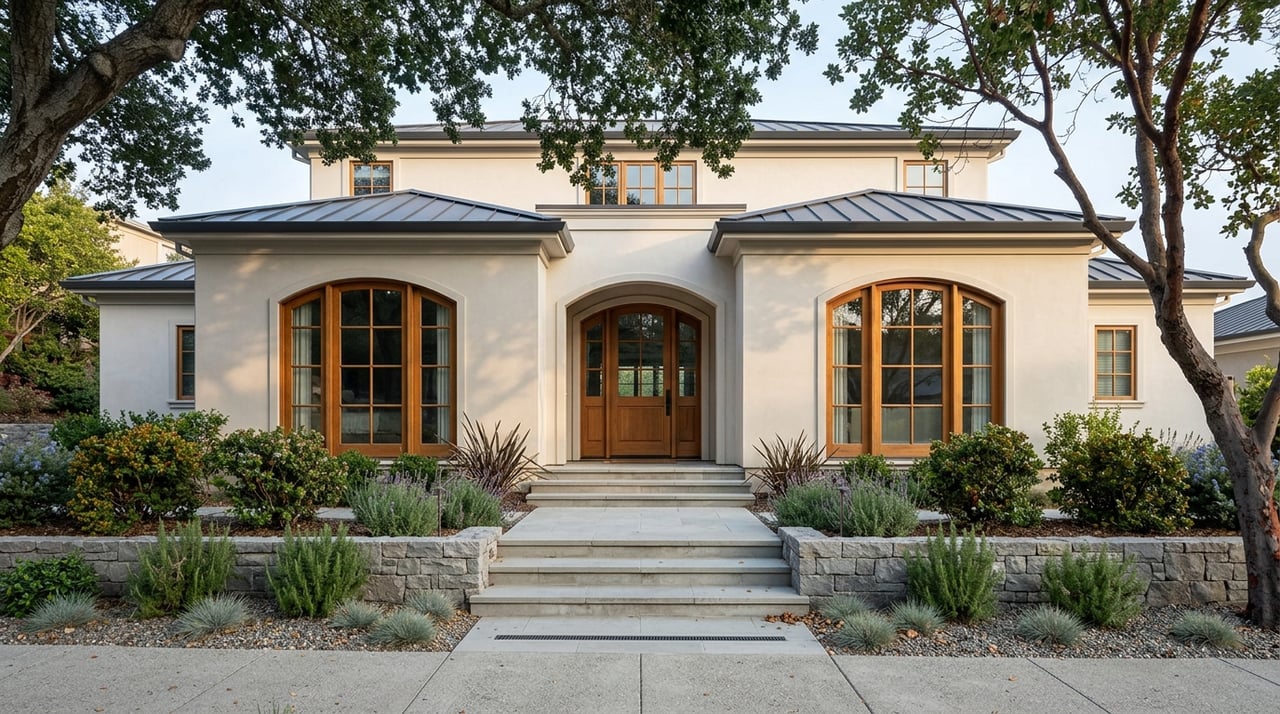
St. Francis Wood offers a more formal residence-park experience. The neighborhood was designed with a broader, more coordinated landscape vision, and that comes through in the street pattern, lot sizes, and overall presentation.
Home sites were planned at roughly twice the width of a standard 25-foot San Francisco lot, with detached houses, generous setbacks, and no businesses inside the tract. The result is a neighborhood that feels spacious, orderly, and distinctly park-like.
What Stands Out in St. Francis Wood
The neighborhood association highlights several defining features:
- Four primary parks
- More than 1,200 significant trees
- Seven miles of parkways
- Two tennis courts
- A children’s playground
San Francisco Planning also notes coordinated planting strips, distinctive sidewalks, medians, and small parks as key parts of the neighborhood form. If you are drawn to a polished, landscape-forward setting, St. Francis Wood often feels more structured and expansive.
Architecture Differences to Notice
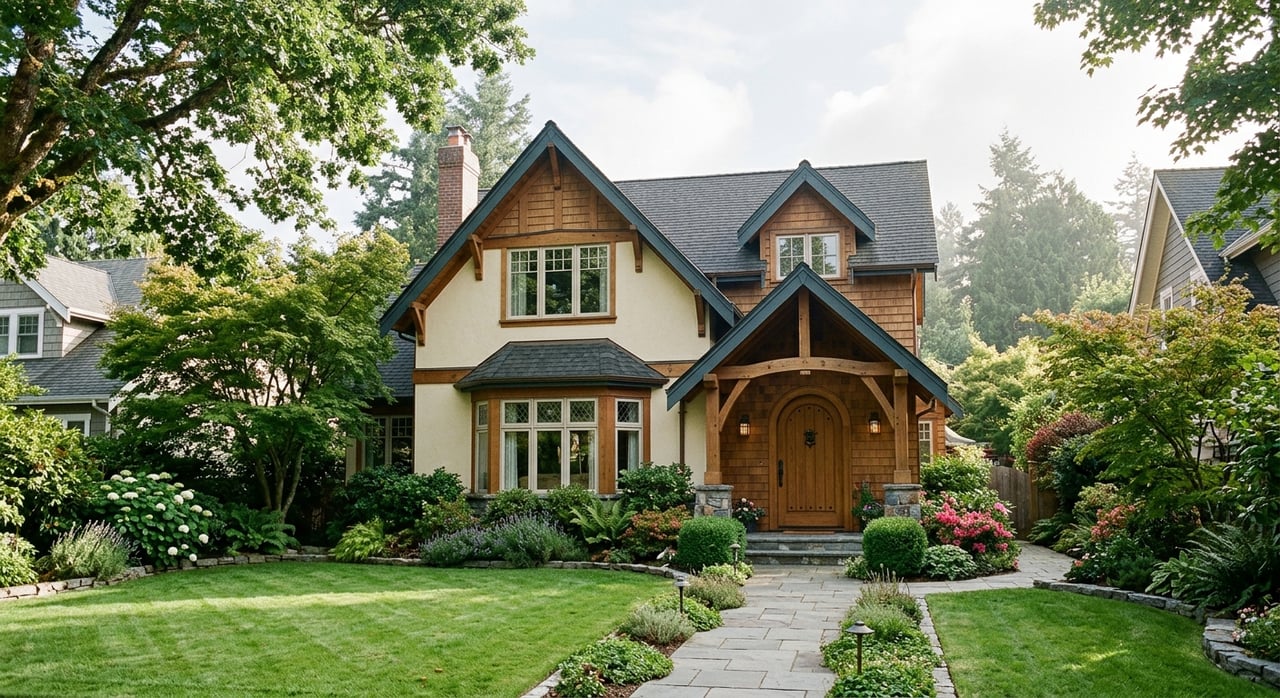
Both neighborhoods offer notable architecture, but they present it differently. In Forest Hill, the planning context points to a more visibly varied collection of custom-designed homes, including revival styles and even an early Modern house.
That variety can make each block feel more individualized. You may notice greater contrast from one property to the next, which can appeal to buyers who want a stronger sense of one-off design.
In St. Francis Wood, the architectural palette also includes a wide range of period revival styles, from Italian Renaissance to other historically influenced designs. The difference is that the neighborhood framework feels more unified, with larger lots and a consistent landscape plan tying the homes together.
Walkability and Transit Access
For many buyers, this is where the comparison becomes practical.
Redfin’s March 2026 neighborhood snapshots rate Forest Hill as Somewhat Walkable (68), Excellent Transit (72), and Bikeable (53). St. Francis Wood scores Very Walkable (86), Excellent Transit (72), and Bikeable (64).
So if walkability is high on your list, St. Francis Wood currently has the stronger profile. Both neighborhoods show the same transit score, but the lived experience around that transit is different.
Forest Hill Transit Experience
Forest Hill has direct access to Forest Hill Station. SFMTA lists service there from the K Ingleside, L Taraval, and M Ocean View lines, with nearby bus connections including routes 36, 43, 44, and 52.
That means Forest Hill offers rail access built right into the neighborhood experience. You do not need to organize daily life around a nearby commercial village to take advantage of transit.
St. Francis Wood Transit Experience
St. Francis Wood buyers often look closely at access to West Portal. SFMTA describes West Portal Station as a major transit hub with three rail lines and two bus routes, serving about 50,000 riders per day.
Because West Portal also sits beside a commercial village with restaurants, shops, and offices, St. Francis Wood can feel more connected to errands, dining, and day-to-day convenience outside the tract itself. If you want a residential setting with easier access to a retail and transit node, this may matter a lot.
Which Neighborhood Feels Quieter?
Both neighborhoods are primarily residential, but they tend to feel quiet in different ways.
Forest Hill’s steeper topography, internal paths, stairways, and more inward-looking street pattern support a more secluded feel. It often reads as calmer and more tucked into the landscape.
St. Francis Wood feels quieter in a more formal way. Its broad parkways, landscaped entries, and lack of commercial uses inside the tract create a composed, park-like setting, even though it may feel more connected to the broader West Portal environment.
Price and Competition in 2026
Both neighborhoods are expensive by city standards, and both remain very competitive. Still, it is important to read the numbers carefully because sales volume is low.
In March 2026, Redfin reports a $3.5 million median sale price in Forest Hill, up 38.8% year over year, with 1 home sold and homes going pending in about 7 days. Redfin also labels the market Very Competitive, with an average sale-to-list ratio of 146.1% and 100% of homes sold above list during that period.
Because only one home sold that month, those numbers are especially volatile. They can signal competition, but they should not be treated as a stable long-term read on value by themselves.
In St. Francis Wood, Redfin’s March 2026 snapshot shows a $3.66 million median sale price, down 35.8% year over year, with 4 homes sold. Homes sold in about 11 days, the market was also labeled Very Competitive, the average sale-to-list ratio was 117.1%, and 75% of homes sold above list.
That is still a small sample, but it gives a slightly broader picture than a one-sale month in Forest Hill. For wider context, Redfin’s citywide San Francisco median sale price in March 2026 was $1.6875 million, which shows how far above the citywide middle both neighborhoods sit.
Price Per Square Foot: Use with Caution
Neighborhood-level price per square foot can help frame expectations, but in low-volume luxury markets it should be treated as directional.
Redfin’s March 2026 figures show Forest Hill at $1.53K per square foot and St. Francis Wood at $760 per square foot. That is a large gap, but with very few monthly sales, these figures can swing sharply based on the specific homes that closed.
For buyers, the better takeaway is this: both neighborhoods command premium pricing, but the homes, lot sizes, and layout patterns differ enough that direct one-to-one comparisons can be misleading.
How to Choose Based on Your Priorities
If you are deciding between the two, the right answer usually comes down to how you want the neighborhood to feel on a daily basis.
Choose Forest Hill if you want:
- A more hillside, tucked-away setting
- Curving streets, paths, and stairs that create a more secluded atmosphere
- More visible architectural variety from home to home
- Direct access to a Muni Metro station within the neighborhood
Choose St. Francis Wood if you want:
- Larger lots and deeper setbacks
- A more formal residence-park look
- A landscape-forward setting with parks, trees, and parkways
- No commercial uses inside the tract
- Easier connection to the West Portal retail and transit environment
A Smart Way to Compare in Person
When two neighborhoods are both strong contenders, the best next step is to compare them block by block and routine by routine. Drive in at different times of day, walk key streets, and notice how each neighborhood feels when you imagine your actual schedule.
Pay attention to street width, slope, transit access, and how you would move through the area. In a market this competitive, local context matters as much as the listing itself.
If you are comparing Forest Hill and St. Francis Wood, working with someone who understands San Francisco micro-markets can make that decision much clearer. Aimee Labagh Tenente brings neighborhood-level insight, high-touch guidance, and access to opportunities that can help you move with more confidence.
FAQs
Which neighborhood in San Francisco is more walkable: Forest Hill or St. Francis Wood?
- Redfin’s March 2026 scores rate St. Francis Wood as more walkable, with a score of 86 compared with Forest Hill’s 68.
Which neighborhood in San Francisco has better transit access: Forest Hill or St. Francis Wood?
- Both neighborhoods have an Excellent Transit score of 72, but Forest Hill has direct access to Forest Hill Station while St. Francis Wood is often compared based on access to the West Portal transit hub.
Which neighborhood in San Francisco feels more secluded: Forest Hill or St. Francis Wood?
- Forest Hill generally feels more secluded because of its steeper terrain, curving streets, internal paths, and stairways.
Which neighborhood in San Francisco has larger lots: Forest Hill or St. Francis Wood?
- St. Francis Wood is known for larger home sites, with lots planned at about twice the width of a standard 25-foot San Francisco lot.
Which neighborhood in San Francisco is more expensive: Forest Hill or St. Francis Wood?
- In March 2026, St. Francis Wood had the slightly higher median sale price at $3.66 million versus Forest Hill at $3.5 million, though both are high-end markets and monthly numbers should be read cautiously due to low sales volume.
Which neighborhood market is more competitive: Forest Hill or St. Francis Wood?
- Both were labeled Very Competitive by Redfin in March 2026, though Forest Hill’s short-term figures were more volatile because only one home sold that month.