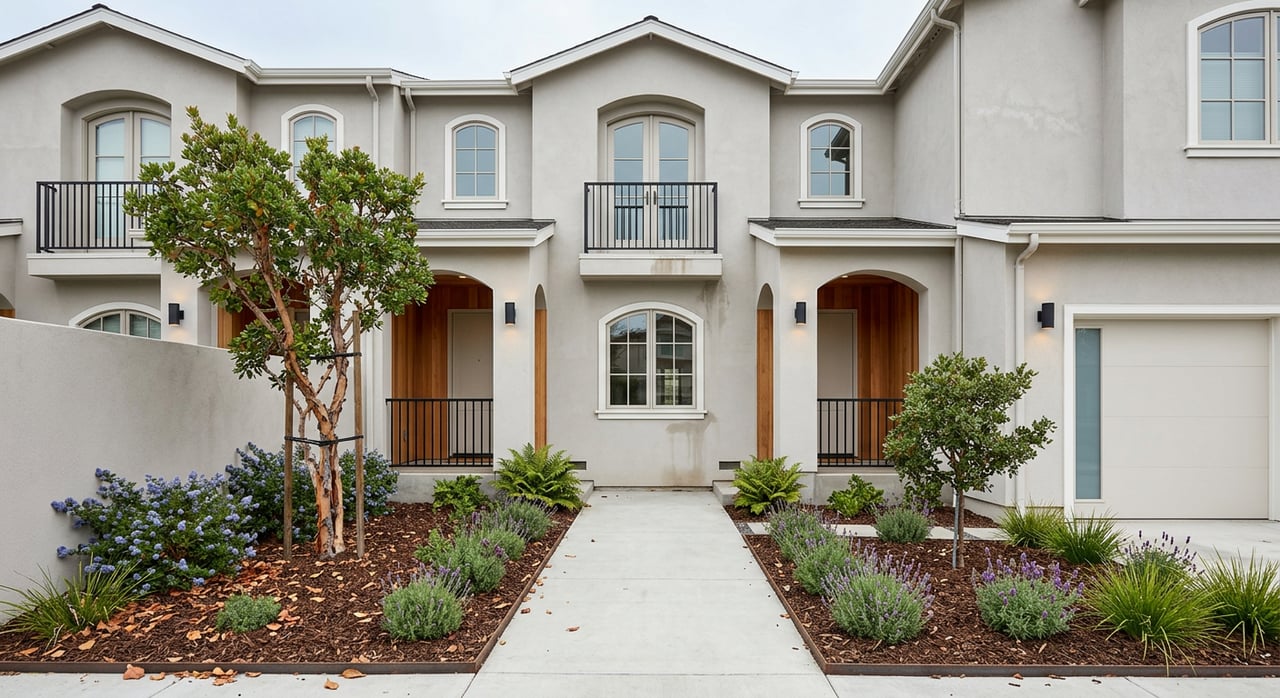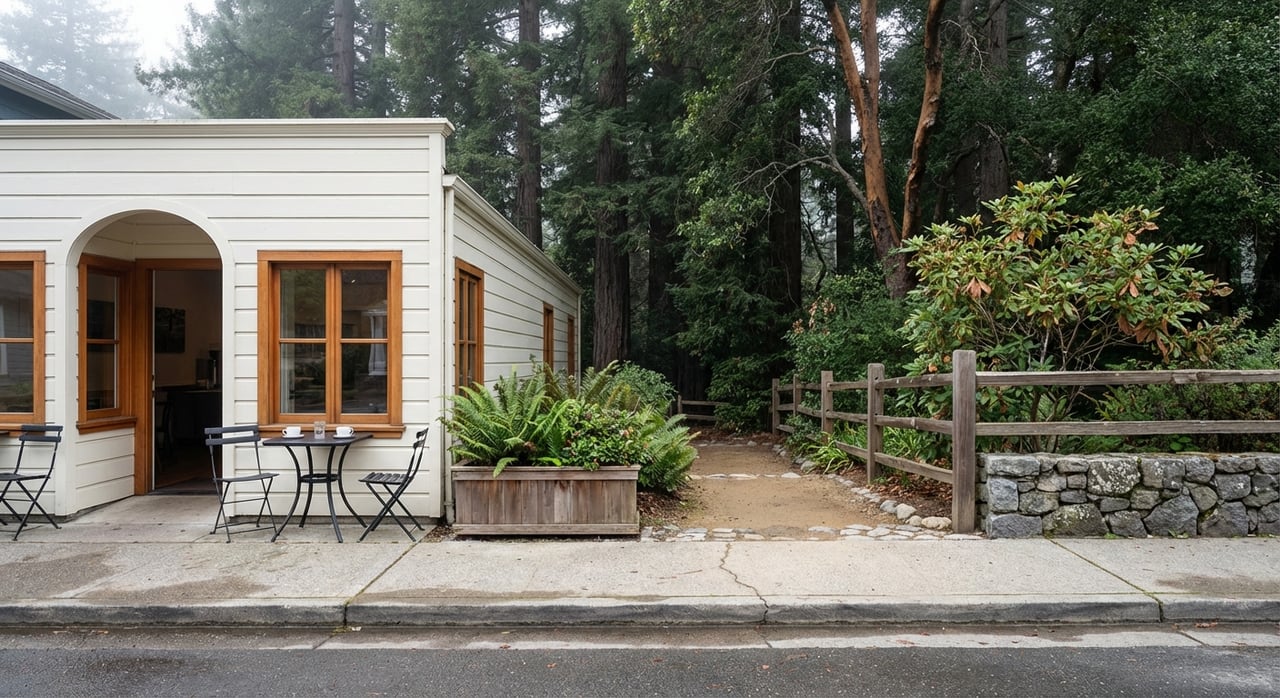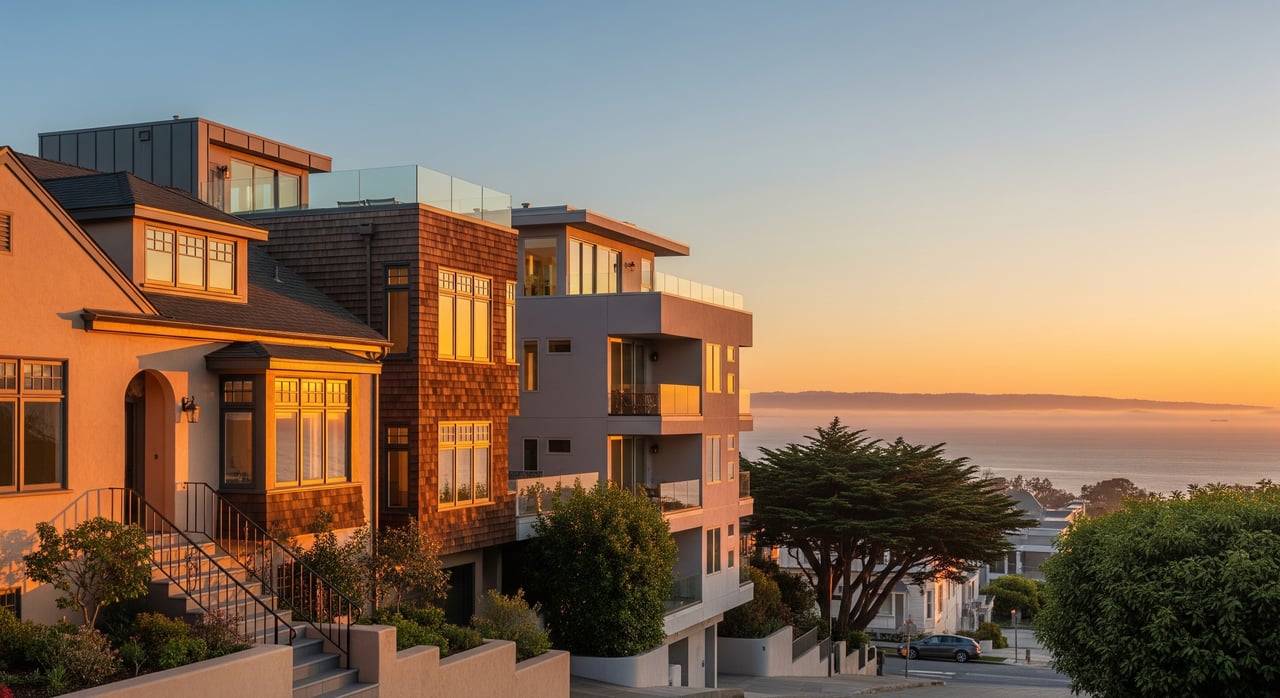
Trying to decide between a condo or a house in San Francisco’s Sunset District? You want the best value and a clear picture of your true monthly cost, not just the list price. This guide lays out how costs, maintenance, HOAs, outdoor space, and the Inner vs Outer Sunset microclimate compare so you can buy with confidence. Let’s dive in.
Compare total monthly cost
To make a fair choice, use the same line items for both condos and single‑family homes. Add these into one monthly number so you can compare apples to apples across the Inner and Outer Sunset.
| Line item | What to include |
|---|---|
| Mortgage principal and interest | Based on price, down payment, and current rates |
| Property tax | Assessed value times the local rate (Prop 13 base plus local assessments) |
| Insurance | HO‑3 for houses, HO‑6 for condos plus what the HOA’s master policy covers |
| HOA dues | Condos add monthly fees for building operations and reserves |
| Utilities | Water, sewer, gas, electric, trash, and what the HOA might include |
| Maintenance and repairs | Houses cover exterior, roof, systems, yard. Condos are mostly interior for unit owner |
| Reserves or special assessments | HOA reserve contributions and potential assessments. For houses, set aside owner reserves for big items |
| Parking costs | Permit fees, garage upkeep, or off‑site parking if needed |
| Miscellaneous | Pest control, landscaping, security, or property management if you plan to rent |
| Financing considerations | Some condos may have loan restrictions or higher down payment needs |
What changes by property type
- Houses: You carry all maintenance for structure, roof, systems, and exterior. A common starting rule is 1 to 2 percent of home value per year for upkeep, adjusted upward for older properties.
- Condos: The HOA typically handles the exterior, roof, and building systems. You pay monthly dues, and you are exposed to the HOA’s governance, reserves, and any special assessments.
In the Sunset, many condos are in smaller buildings or converted flats, which can mean lower dues than downtown towers, although fees still vary widely. Many single‑family homes are early‑20th‑century wood‑frame houses, which can increase maintenance risk if upgrades have been deferred.
Inner vs Outer Sunset microclimate
The Inner Sunset, closer to Golden Gate Park and east of 19th Ave, is generally sunnier and warmer. The Outer Sunset, closer to Ocean Beach, sees more fog, cooler temperatures, and higher winds. This difference is a real lifestyle factor if you care about natural light, gardening, or time outside.
- Outdoor use: Private yards and patios in the Outer Sunset may get less sun and more wind. The Inner Sunset usually offers more sunny hours for decks and gardens.
- Energy use: Outer Sunset homes may need more heating, while air conditioning is rarely a priority.
- Exterior maintenance: Fog and salt air near the coast can accelerate paint wear and corrosion. Both houses and condo exteriors facing ocean exposure may need more frequent upkeep.
Outdoor space and parking
- Houses: You are more likely to get a private yard, garage, and flexible options like a rooftop area or room to add an ADU, subject to zoning and permits.
- Condos: Expect balconies, small terraces, shared courtyards, or rooftop decks. Lower‑level units sometimes have deeded garden areas. Parking may be assigned, shared, or street only.
HOAs, maintenance, and risk
What to review in a condo HOA packet
Know what the HOA covers and how it is managed before you write an offer.
- Typical coverage: Exterior and roof, common area cleaning, landscaping, elevator service if applicable, garbage, building insurance for common areas and the building shell, and reserve funding.
- Owner responsibilities: Interior maintenance, contents insurance, and unit utilities not covered by the HOA.
- Red flags: Low reserves, recent or pending special assessments, high delinquency rates, pending litigation, rental restrictions, major replacements on the horizon, and unclear insurance deductibles or gaps.
- Key documents: CC&Rs, bylaws, meeting minutes for the last 12 to 24 months, current budget, latest reserve study, insurance policies, and any statements on pending actions or assessments.
What to inspect in a single‑family home
Older Sunset houses can be charming and solid, but they deserve careful due diligence.
- Inspections: Full home inspection, pest and termite report, and a sewer lateral inspection. Consider specialists for roof, foundation, chimney, and HVAC.
- Common issues to check: Roof life and wood rot, sub‑flooring, older plumbing such as galvanized lines, knob‑and‑tube wiring, foundation settlement, and possible lead or asbestos in very old homes.
Insurance and earthquake considerations
- Coverage basics: Condo owners typically carry an HO‑6 policy for interiors and personal property while the HOA master policy covers the building shell and common areas. House owners carry an HO‑3 policy for the entire structure.
- Earthquake: Earthquake insurance is separate and can be expensive. Understand whether your HOA carries earthquake coverage and what deductibles look like. Older wood‑frame properties may benefit from seismic retrofits.
- Retrofit rules: Some multi‑unit buildings are subject to soft‑story retrofit programs. Confirm whether a building is compliant or if work could lead to future assessments.
Decision framework for value‑focused buyers
Use this checklist to match the property type to your needs.
- Financial fit: Compare mortgage, tax, insurance, HOA, maintenance, reserves, utilities, and parking to one monthly number for each property.
- Maintenance risk tolerance: If you want less hands‑on upkeep, a condo may suit you. If you prefer control over upgrades and long‑term projects, a house fits better.
- Outdoor space and flexibility: If you need a private yard, storage, or ADU potential, lean toward a single‑family home.
- Microclimate and daily life: If you prioritize sun and walkable retail, look in the Inner Sunset. If you like a coastal vibe and quieter streets, explore the Outer Sunset and plan for fog and wind.
- Investment and resale: Single‑family homes often carry land value premiums and may hold value differently. Condos can offer lower entry prices and compete strongly in the entry segment, with performance tied to HOA health and buyer demand.
Which option fits common goals
First‑time buyer on a tight monthly budget
- Likely fit: A 1 to 2 bedroom condo in the Inner or Outer Sunset.
- Why: Lower entry price and lower hands‑on exterior maintenance, but plan for a monthly HOA and read the reserve study carefully.
Household that needs a yard and parking
- Likely fit: A small single‑family home or townhouse.
- Why: Private outdoor space and garage potential. Expect higher maintenance costs and a higher purchase price.
Value buyer planning renovations
- Likely fit: An older single‑family home with room to improve.
- Why: Upside through upgrades or added space, with permits and timelines to manage.
Downsizer seeking low upkeep and some outdoor access
- Likely fit: A condo with a shared garden, roof deck, or a unit with a balcony in the sunnier Inner Sunset.
- Why: Lower exterior maintenance with an outdoor amenity nearby.
Practical next steps
Request these items early so you can compare properties on equal footing.
- For condos: HOA budget, reserve study, past 12 to 24 months of minutes, insurance certificates, current CC&Rs, rental policy, and any record of special assessments or litigation.
- For houses: Full inspection package, pest and termite report, sewer lateral condition, permit history, and contractor estimates for any deferred items.
- For both: Current property tax bill, recent utility averages, permit and zoning guidance for changes or ADUs, and local parking permit details.
Work with a Sunset specialist
The Sunset is all about nuance, from microclimates to maintenance profiles and HOA health. You deserve local guidance that helps you weigh real monthly costs and lifestyle fits in both the Inner and Outer Sunset. If you want early access, a strong due diligence plan, and a clear path to the right property, connect with Aimee Labagh Tenente to get started.
FAQs
What do condo HOA fees usually cover in the Sunset?
- They typically cover the building exterior and roof, common area cleaning and landscaping, garbage, master insurance for the building shell, and contributions to reserves.
How does the Inner vs Outer Sunset microclimate affect costs?
- The Outer Sunset’s fog and wind can increase exterior maintenance and heating needs, while the Inner Sunset’s sunnier weather can make outdoor spaces more usable and reduce exposure wear.
Do single‑family homes in the Sunset require more upkeep than condos?
- Yes, houses place all structural, exterior, and system maintenance on you, while condos shift those items to the HOA in exchange for monthly dues.
What should I budget beyond the mortgage when buying in the Sunset?
- Plan for property taxes, insurance, utilities, maintenance and reserves, parking costs, and for condos, monthly HOA dues and potential special assessments.
Are there San Francisco rules that can impact my choice?
- Yes, condo buildings may face retrofit or compliance requirements and HOA governance rules, while houses can have private seismic retrofit needs and permit requirements for additions or ADUs.