Looking for a quieter San Francisco neighborhood with easy city access and a true village feel? West Portal might be the sweet spot you have in mind. You get tree-lined streets, a compact main street for daily errands, and direct rail to downtown. In this guide, you’ll learn what it’s like to live in West Portal, how you’ll get around, the housing styles you’ll find, and how to evaluate the fit for your lifestyle. Let’s dive in.
West Portal at a glance
West Portal sits on the west side of central San Francisco, near the north end of the Twin Peaks area. It clusters around West Portal Avenue and the Muni station, with Forest Hill and Laguna Honda to the east and the Sunset districts to the west. The commercial core is small and walkable, surrounded by low-rise residential streets with a calm, in-city suburban feel.
The neighborhood grew as a streetcar suburb tied to the Twin Peaks Tunnel, which opened in 1918. Its village center formed around the streetcar stop and has kept a small-scale, independent storefront vibe over time. For more context on history and character, see the overview of West Portal on Wikipedia.
Transit and access
Transit is the headline in West Portal. The Muni rail network flows through the neighborhood, giving you a one-seat ride to downtown and connections across the city.
Muni rail to downtown
West Portal Station is the western portal to the Twin Peaks Tunnel. Multiple Muni Metro lines serve or pass through this stop, which is why trips into the core are typically faster than bus-only routes. For current maps and schedules, check the San Francisco Municipal Transportation Agency.
Buses, BART, and airport
Local bus lines connect West Portal to adjacent neighborhoods and transfer hubs, including options that link to BART. There is no BART station in West Portal, so you will make a short transfer or drive to reach BART. For airport trips, most residents combine Muni and BART or drive, depending on time of day and flight schedule.
Driving and parking
Driving is feasible for errands and commutes, but congestion and destination parking constraints are real. You will find typical San Francisco curb parking, residential permit zones on some blocks, and street cleaning schedules to watch. Many residents default to Muni for weekday downtown trips and use a car for regional travel.
Walkability and biking
The West Portal Avenue strip is designed for daily errands on foot. You can pick up groceries, coffee, or pharmacy items on a quick loop. Bike routes exist, but nearby hills and shared lanes mean many riders combine biking with Muni for longer trips.
Housing and market feel
West Portal’s housing skews low-rise and owner-occupied, with a steady mix of long-term residents and newer arrivals who prize transit and neighborhood amenities.
Typical homes
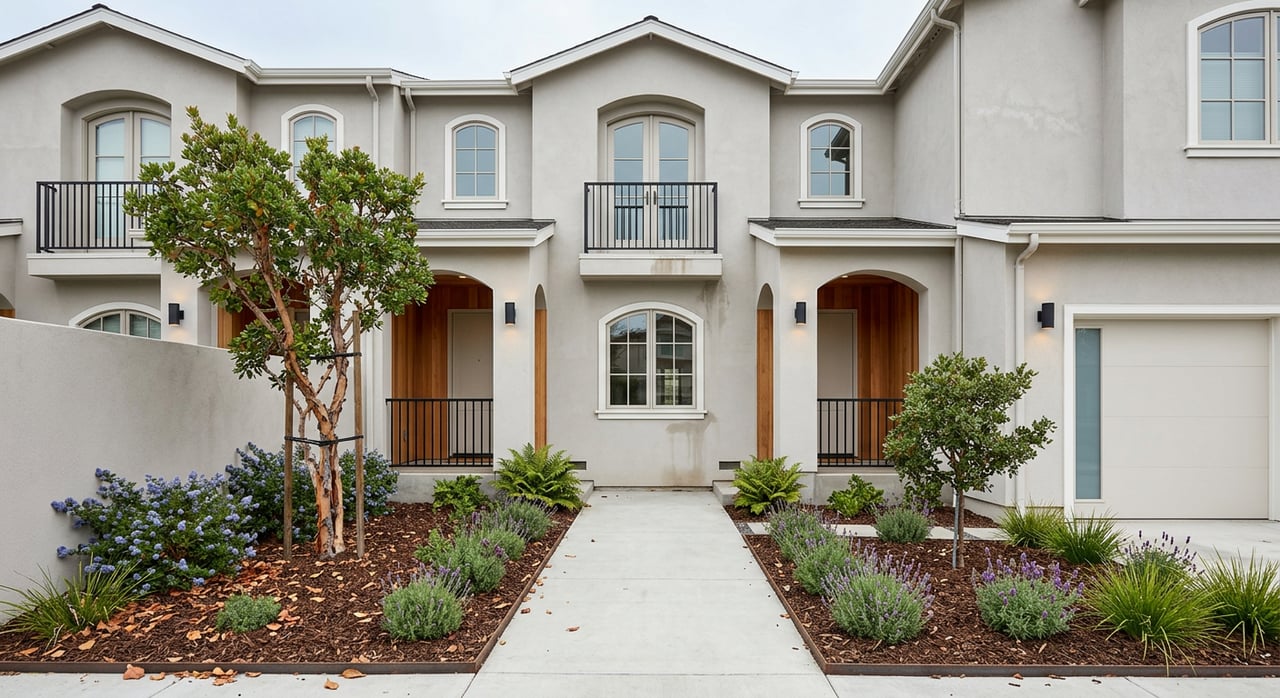
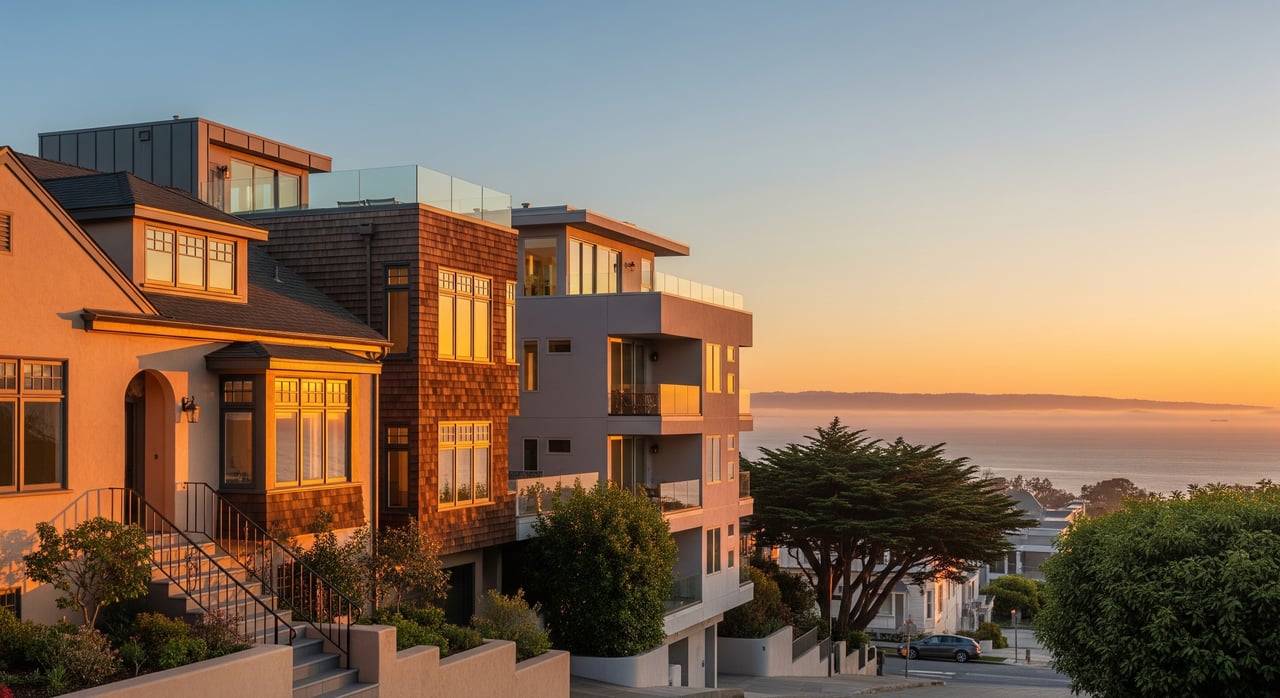
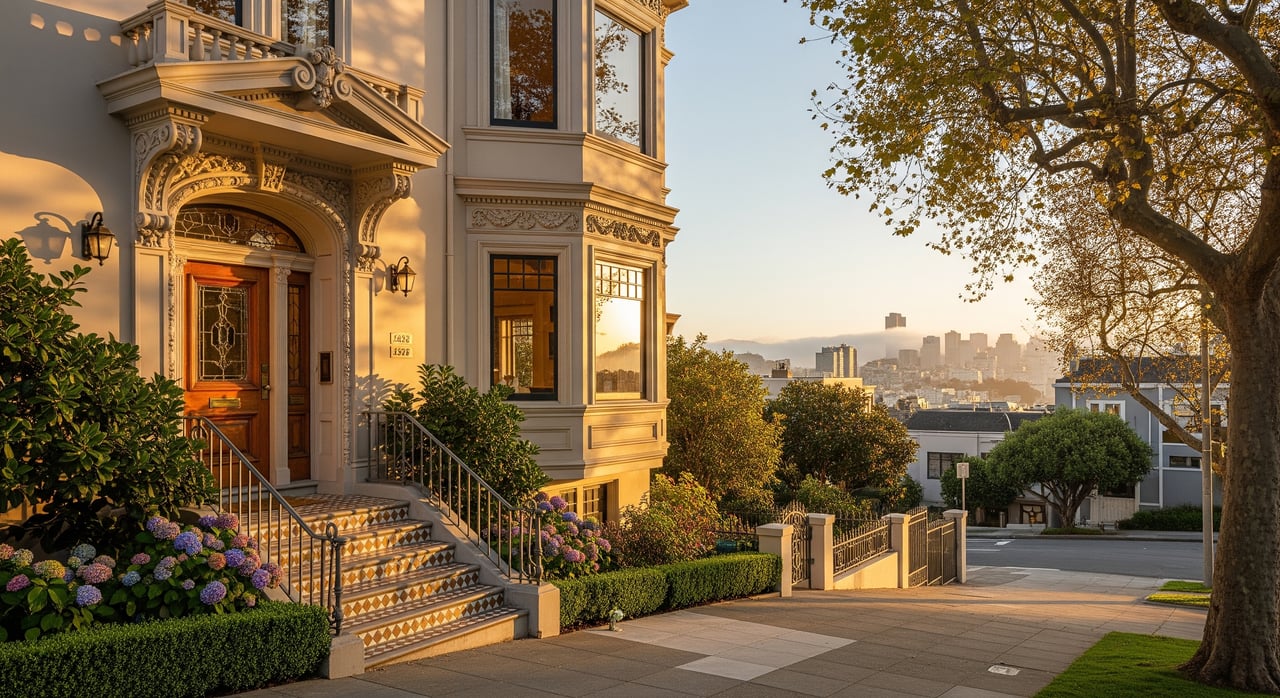
You will see classic San Francisco single-family homes from the Victorian and Edwardian eras along with later 20th-century styles. Small multiunit buildings and low- to mid-rise condominiums fill in near the commercial corridor. Condos and flats often appeal to smaller households who want less maintenance and a short walk to transit.
Who it fits
If you want quieter residential streets with quick city access, West Portal is worth a close look. Households that value a compact village core, reliable transit, and low-rise blocks tend to feel at home here. The area is commonly positioned above the city median on pricing, especially for single-family homes, so budget planning is important.
Development pattern
Zoning in much of West Portal supports a low-density, residential pattern with a small-scale commercial strip. Large new buildings are uncommon inside the core, while small infill, condo conversions, and interior remodels are more typical. To understand the city’s planning context and zoning tools, explore the San Francisco Planning Department.
Everyday life on West Portal Avenue
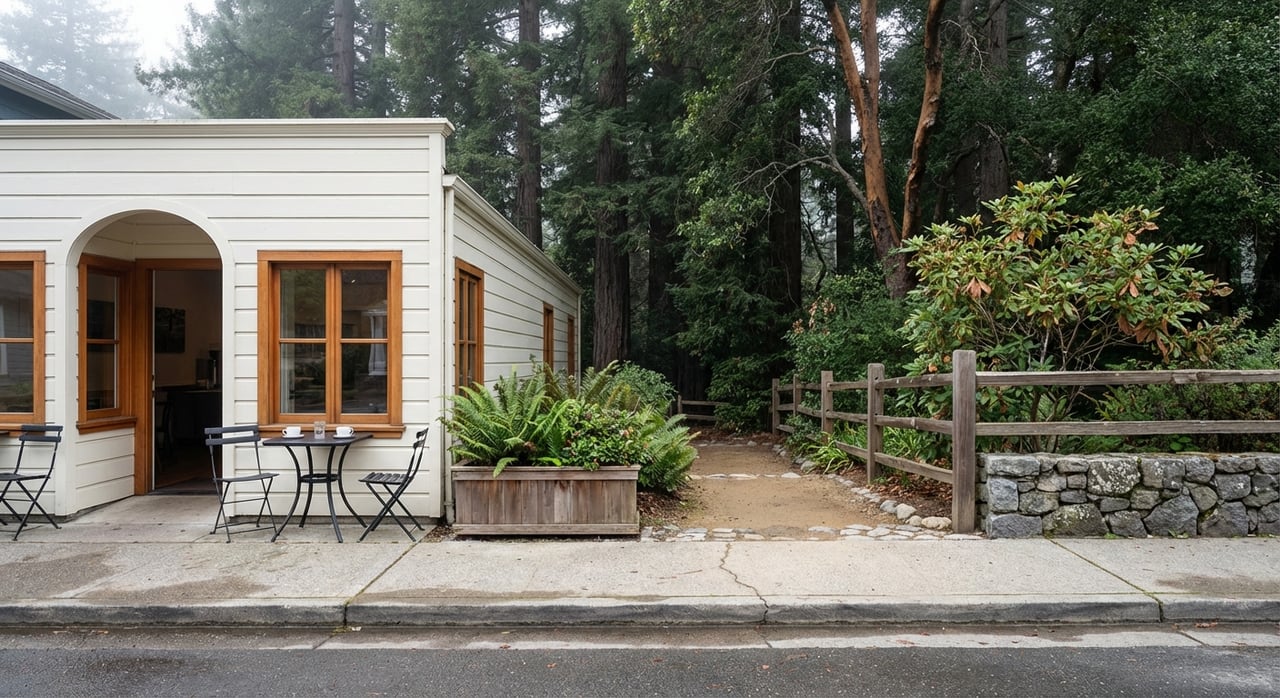
West Portal Avenue is your neighborhood main street. You will find coffee shops and bakeries for morning stops, casual restaurants for weeknights, and small-format food stores for quick staples. Service businesses like banks, pharmacies, and dry cleaners keep errands simple.
A neighborhood movie theater and community-oriented venues add to the local rhythm, especially on weekends. Tenants do change, so it helps to walk the strip and see current storefronts before you decide.
Schools and learning options
West Portal is served by San Francisco Unified School District. School assignment depends on SFUSD policies and your specific address, and it can change over time. Always confirm current boundaries, programs, and enrollment details directly with the San Francisco Unified School District.
Regional private and parochial options exist across the west side as well. If schools are central to your decision, plan time to tour and review feeder patterns.
Parks and recreation nearby
Mount Davidson, the highest natural point in San Francisco, is close by and offers trails and broad city views. Small neighborhood parks and playgrounds serve local blocks, while Golden Gate Park is a short drive or transit ride depending on where you start. For facilities, classes, and locations, use the San Francisco Recreation & Parks site to plan outings.
Pros and tradeoffs
What many residents value
- Direct, frequent Muni rail through the Twin Peaks Tunnel
- A compact, walkable main street with independent shops
- Quieter streets and a calm, residential feel
- A mix of single-family homes and smaller multiunit options
Common tradeoffs to consider
- Pricing above the city median, especially for single-family homes
- Limited late-night nightlife and fewer large-format retailers
- Street parking and permit rules on some blocks
- Fewer brand-new buildings or large modern condos
How it compares nearby
- Forest Hill and St. Francis Wood offer larger lots and similarly calm streets with different architectural profiles.
- The Inner Sunset delivers a larger commercial district and easy Golden Gate Park access with a busier vibe.
- Noe Valley provides a lively retail corridor and central access, though its microclimate and street grid feel distinct from West Portal.
Think about the tradeoffs that matter most to you. If a village-like core and direct Muni access are top priorities, West Portal is a strong candidate.
Visit checklist
Use this list to evaluate West Portal like a local:
- Ride Muni to downtown at a weekday commute hour and note frequency and platform crowding. Confirm routes on the SFMTA.
- Visit at multiple times: weekday morning, midday, and a weekend evening to gauge noise, foot traffic, and business hours.
- Walk West Portal Avenue and note active storefronts, any vacancies, and the overall mix of services.
- Check block conditions: sidewalks, lighting, street cleaning signs, and any residential permit parking zones.
- Tour nearby parks and scan the Rec & Parks calendar for classes.
- If schools matter, confirm assignment and enrollment details with SFUSD and reach out to school communities.
- When you get serious, review a recent 6 to 12 month sales snapshot to align expectations on pricing and timing.
Ready to explore or move
If West Portal checks your boxes, you deserve a local guide who knows the micro-market and can position you to act with confidence. As a third-generation San Franciscan with boutique, white-glove service and Compass distribution, Aimee Labagh Tenente pairs neighborhood insight with early access to coming-soon and off-market opportunities. Whether you are buying or selling, you get meticulous presentation, clear strategy, and an advocate who treats the details like they matter.
FAQs
Where is West Portal in San Francisco?
- West Portal clusters around West Portal Avenue near the western entrance to the Twin Peaks Tunnel, bordered by Forest Hill, Laguna Honda, and the Sunset districts.
Does BART go to West Portal?
- No, BART does not stop in West Portal; you will transfer via Muni or drive to the nearest BART station depending on your route.
How convenient is Muni from West Portal?
- Muni Metro lines serve West Portal Station through the Twin Peaks Tunnel, offering direct, frequent service to downtown; confirm current routes on the SFMTA site.
What kinds of homes are common in West Portal?
- You will see single-family homes from multiple eras, plus small apartment buildings and low- to mid-rise condos, especially near the commercial strip.
What is nightlife like in West Portal?
- Evenings are active at local restaurants and the neighborhood theater, but late-night venues are limited compared with larger entertainment districts.
How should I research schools if I am considering West Portal?
- Start with the SFUSD site to confirm assignment, programs, and enrollment policies, and schedule tours to understand options for your address.