Wondering whether now is the right moment to sell your Sunset District home? In this part of San Francisco, strong demand can create real opportunity, but a great result rarely comes from simply putting a sign in the yard and waiting. If you want to maximize price and momentum, you need the right mix of timing, preparation, and launch strategy. Let’s dive in.
Why strategy matters in Sunset
The Sunset District is still moving fast. Recent neighborhood data shows a median sale price of about $1.9 million over the last three months, up 18.8% year over year, with homes going pending in about 14 days. The neighborhood is also labeled highly competitive, with many homes receiving multiple offers.
That kind of market can make selling look easy. Still, buyers in Sunset are active and selective, which means the homes that stand out tend to be the ones that feel well prepared, well priced, and visually polished from day one.
Citywide, San Francisco homes have also been moving quickly, with a median sale price around $1.7 million over the last three months and about four offers on average. In other words, you are not selling into a slow market. You are selling into a market that rewards strong execution.
Best timing for a Sunset sale
Spring usually leads the market
In the Bay Area, the best selling window often arrives earlier than many people expect. Research points to late March through early April as a particularly strong time to launch, with the San Francisco metro's best week to list in 2026 landing in the week of March 22.
That early window matters because it can put your home in front of motivated buyers before the later spring and summer increase in active listings. When more sellers enter the market, buyers have more choices, and that can create more competition for attention.
Start prep before your target date
If you are aiming for a late-March or early-April debut, it helps to begin preparations well in advance. Research shows many sellers take one month or less to get their homes ready, which means a focused prep timeline is common.
For most Sunset homeowners, that suggests planning early rather than reacting late. If you wait until spring to begin repairs, staging, cleaning, and photography, you may miss the strongest launch window.
San Francisco weather affects presentation
Local climate also shapes timing. San Francisco often sees foggy summer mornings, stronger afternoon westerly winds, and most annual rainfall between November and March. Spring and fall are generally the most cloud-free seasons.
For you as a seller, that can influence everything from exterior photography to open house scheduling. A spring or early-fall launch often makes it easier to present the home cleanly and capture better light than a winter launch.
How Sunset architecture shapes prep
Classic layouts need a tailored approach
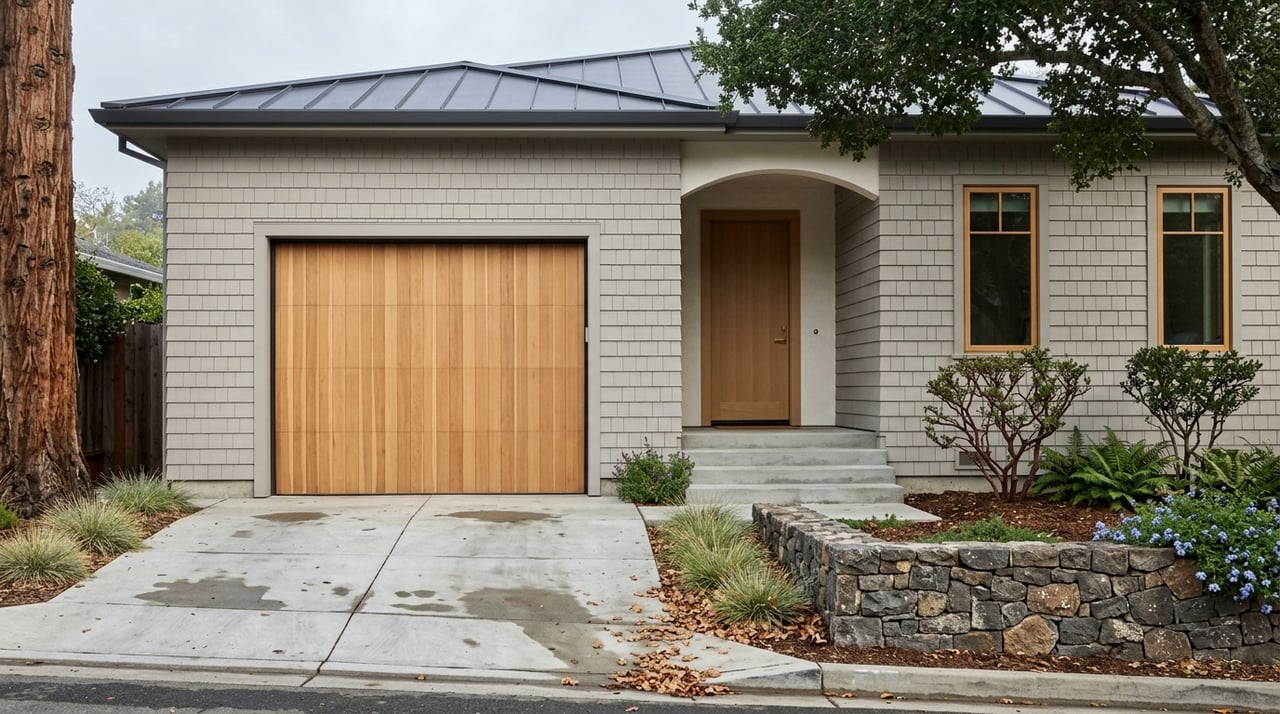
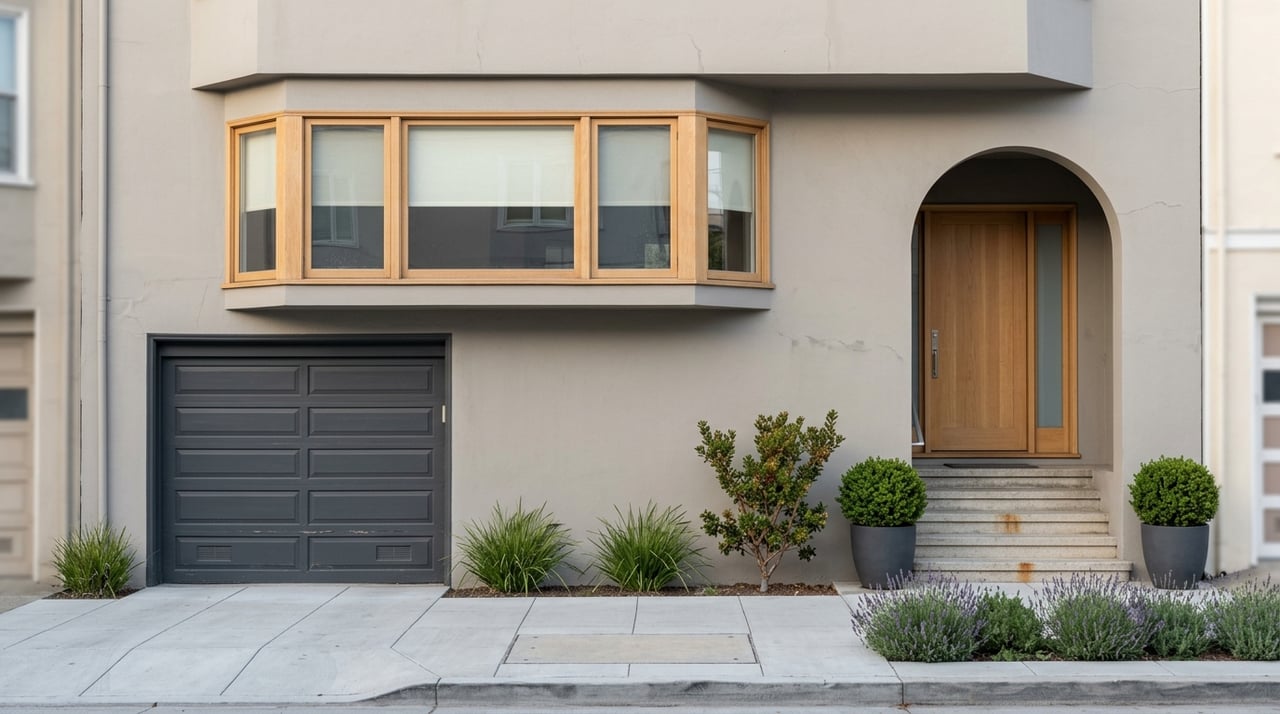
Sunset homes have a recognizable layout and street presence. Many classic tract homes in the neighborhood were built as compact homes with one story over an integrated garage, a recessed garage opening, front-yard setback, and an entry sequence shaped by a tunnel-entry layout.
That design matters when you prepare your home for sale. Buyers are not just reacting to square footage or finishes. They are also experiencing the flow from the sidewalk to the garage, entry passage, stair sequence, and main living level.
First impressions begin at the garage
In many Sunset homes, the garage-front exterior is a major part of the facade. That means the garage door area, entry path, and recessed approach should feel intentional, clean, and easy to read.
A cluttered garage or dim entry can make the home feel tighter before buyers even reach the main floor. On the other hand, a simplified approach can help the property feel brighter, more functional, and more inviting from the start.
Focus your effort where buyers notice it
Staging research shows it helps buyers picture a property as their future home. The most commonly staged rooms are the living room, primary bedroom, dining room, and kitchen.
For a Sunset home, that guidance is useful, but the prep story often starts a step earlier. The entry, stairwell, and garage frontage deserve attention because they are built into the neighborhood's typical floor plan and shape the first impression.
A practical prep plan
If you want your Sunset home to show at its best, a focused plan usually works better than doing a little bit everywhere. The goal is to make the home feel open, bright, and easy to understand.
A practical prep sequence often looks like this:
- Clear and simplify the front entry
- Clean and organize the garage frontage and passageway
- Make the stair path feel open and well lit
- Declutter the main living level
- Deep clean the entire home
- Reduce bulky furniture where needed
- Refresh paint in neutral tones if appropriate
- Tidy closets so storage feels usable
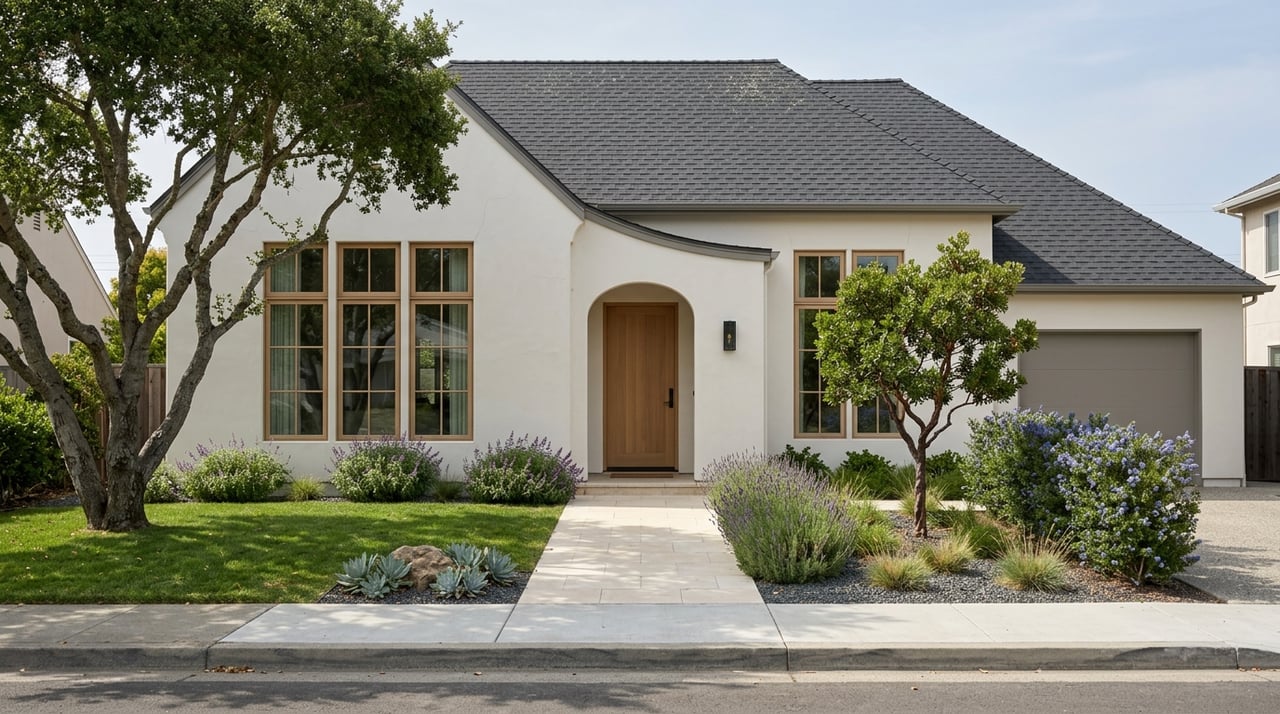
- Improve curb appeal with a clean, well-kept exterior
This approach aligns with common seller recommendations around decluttering, cleaning, and curb appeal. In Sunset especially, those basics carry a lot of weight because the home's layout puts so much emphasis on entry sequence and street-level presentation.
Photography can shape buyer demand
Online presentation does heavy lifting
Most buyers begin online, and visuals often determine whether they schedule a showing. Recent consumer data shows 79% of buyers shopped online, and nearly half said professional photography was very or extremely important to their experience.
That means your photos are not a side detail. They are one of the main tools that create early interest and help buyers decide whether your home feels worth a visit.
Good light matters in the Sunset
Photography guidance suggests interiors should be shot when the home is brightest, and west-facing properties often benefit from afternoon into evening exterior photography. In the Sunset, where coastal light and marine layer can affect the look of a home, testing the timing of exterior shots is especially important.
The exact orientation of your property matters more than the neighborhood label alone. Still, for many west-side homes, later-day light can help exterior photos feel warmer and more dimensional.
A complete launch package helps
Strong listing media usually means more than still photos alone. Research shows buyers' agents place high importance on photos, physical staging, videos, and virtual tours.
That is why the launch package should feel coordinated. When staging, photography, and marketing all support the same story, your home is easier for buyers to understand and remember.
When Coming Soon can help
Use pre-marketing as a runway
Compass Coming Soon can be useful when you want to build interest before the full MLS launch. It can place your listing on Compass.com and Redfin.com while avoiding public days on market and price-drop history during that pre-launch phase.
For some Sunset sellers, that creates a controlled preview period. It can be especially helpful if the home needs a bit more prep time or if you want to start generating demand before the full public rollout.
It works best with a clear plan
Compass reports that its 2024 internal analysis found pre-marketed listings were associated with a 2.9% higher final close price compared with Compass listings that went directly to the MLS, though Compass does not present that as a guarantee.
The key takeaway is not that every home should use Coming Soon. It is that pre-marketing can be a smart tool when it supports a broader strategy around timing, presentation, and launch momentum.
The three-part Sunset selling formula
For many homeowners in the Sunset District, the best sales outcome comes from aligning three things at once. You want the market window, the home prep, and the visual rollout to support each other.
That formula often looks like this:
- Choose the right launch window by targeting late March or early April when possible.
- Prepare for the actual architecture by focusing on the garage-front facade, tunnel entry, stair sequence, and main living level.
- Create a polished rollout with professional staging, strong photography, and a possible Coming Soon phase when it fits the plan.
When those pieces line up, your home is better positioned to capture attention quickly and compete at a high level.
What Sunset sellers should remember
Selling a Sunset District home is not just about listing in a strong market. It is about making the most of a strong market while buyers are moving quickly and comparing every detail.
If you are thinking about selling, the smartest move is often to begin earlier than you think. With the right preparation, a neighborhood-specific plan, and a polished launch, you can give your home the best chance to stand out.
If you want a tailored plan for your Sunset property, Aimee Labagh Tenente offers neighborhood-focused guidance, meticulous presentation, and Compass-backed marketing designed for San Francisco sellers.
FAQs
When is the best time to sell a Sunset District home?
- For many Sunset sellers, late March through early April is a strong launch window because Bay Area seasonality tends to peak earlier than the national market.
How fast are homes selling in the Sunset District?
- Recent neighborhood data shows Sunset homes going pending in about 14 days, which points to a fast-moving and competitive market.
What should I fix first before selling a Sunset home?
- Start with the areas that shape the first impression, including the front entry, garage frontage, passageway, stair sequence, and main living spaces.
Does staging matter when selling a Sunset District home?
- Yes. Staging can make it easier for buyers to picture the home clearly, especially in key spaces like the living room, primary bedroom, dining room, and kitchen.
Should I use Compass Coming Soon for a Sunset listing?
- It can be helpful if you want a controlled pre-launch period, need extra prep time, or want to build early interest before the full market debut.