Wondering how much you really need to do before listing your San Rafael home? In a market where well-prepared homes can move quickly and attract strong offers, the right pre-listing plan can make a real difference. If you want to sell with less stress and more confidence, a smart prep strategy helps you focus on what matters most. Let’s dive in.
Start With San Rafael’s Micro-Markets
San Rafael is still a competitive seller market, but citywide averages only tell part of the story. Over the three months ending May 2026, the citywide median sale price was $1.284M, median days on market were 24, and the sale-to-list ratio was 102.1%.
That said, your exact location within San Rafael matters. ZIP 94901 posted a median sale price of $1.41M with 22 median days on market, while ZIP 94903 posted a median sale price of $1.15M with 25 median days on market. That gap is a good reminder that prep, pricing, and marketing should reflect your home’s specific micro-market.
San Rafael also includes more than 30 neighborhoods, from Dominican/Black Canyon and Gerstle Park to Peacock Gap, Terra Linda, Sun Valley, and West End. A hillside property, a downtown condo, and a channel-adjacent home will not all benefit from the same prep priorities. The best listing plan starts with your exact neighborhood and property type.
Handle Due Diligence Early
One of the most useful early steps for San Rafael sellers is the Residential Resale Report, or RBR. The City of San Rafael describes it as a building permit records check and physical inspection for residential units being sold in the city.
For sellers, that makes the RBR more than just a closing item. It can help you spot incomplete or expired permits, planning actions, and construction-related code enforcement issues before your home hits the market. Getting ahead of those items can reduce surprises later.
If you plan to make repairs or updates, check permit requirements before work begins. The City of San Rafael Building Division notes that some projects qualify for minor permits, while others require plan review, and work in the public right-of-way may require an encroachment permit.
Review Disclosures Before You List
California disclosures are a key part of preparing your home for sale. The Real Estate Transfer Disclosure Statement is meant to describe the property’s condition, and the California Department of Real Estate states that it is not a warranty or a substitute for inspections.
If your home was built before 1978, federal law requires disclosure of known lead-based paint or lead hazards before the sale of most housing. Buyers also must be given the opportunity for an independent lead inspection.
Natural hazard disclosures may also apply, depending on the property. These can include flood zones, very high fire hazard zones, state responsibility areas, earthquake fault zones, and seismic hazard zones. Starting your disclosure review early gives you time to gather information and ask questions before buyers do.
Address Wildfire and Vegetation Issues
Wildfire preparation is especially important in San Rafael because the city says vegetation standards apply citywide. Property owners have a year-round responsibility to maintain vegetation, and the Fire Department offers year-round assessments.
If your home is in a High or Very High Fire Hazard Severity Zone, there may be additional sale-related requirements. The city says AB-38 documentation is required when a covered property in one of these zones is sold, and in some cases a defensible space inspection must be scheduled through the Fire Department.
If you own a hillside or fire-exposed home, buyers are likely to notice visible home-hardening features. The city’s guidance points to areas like the roof, gutters and eaves, vents, siding, windows and doors, decks, fences, and other attachments. These are practical places to review before launch.
Pay Extra Attention to Flood and Moisture Risks
For channel-adjacent or low-lying properties, flood-related prep deserves a closer look. The City of San Rafael says more than 12,000 residents live within 0.5 miles of the federal San Rafael Channel, including the most densely populated FEMA flood zone in Marin County.
That does not mean every nearby home needs major physical work before listing. It does mean drainage, moisture, and disclosure review should be part of your prep checklist. If buyers see signs of deferred maintenance in these areas, they may have more questions during escrow.
Focus on High-Impact Cosmetic Updates
Not every seller needs a major renovation. In many cases, a focused presentation plan is more effective than an expensive overhaul.
According to NAR’s 2025 Profile of Home Staging, 29% of agents said staging produced a 1% to 10% increase in the dollar value offered, and 49% said staging reduced time on market. The median staging-service cost reported was $1,500.
The most common recommendations were simple and practical:
- Decluttering the home
- Cleaning the entire home
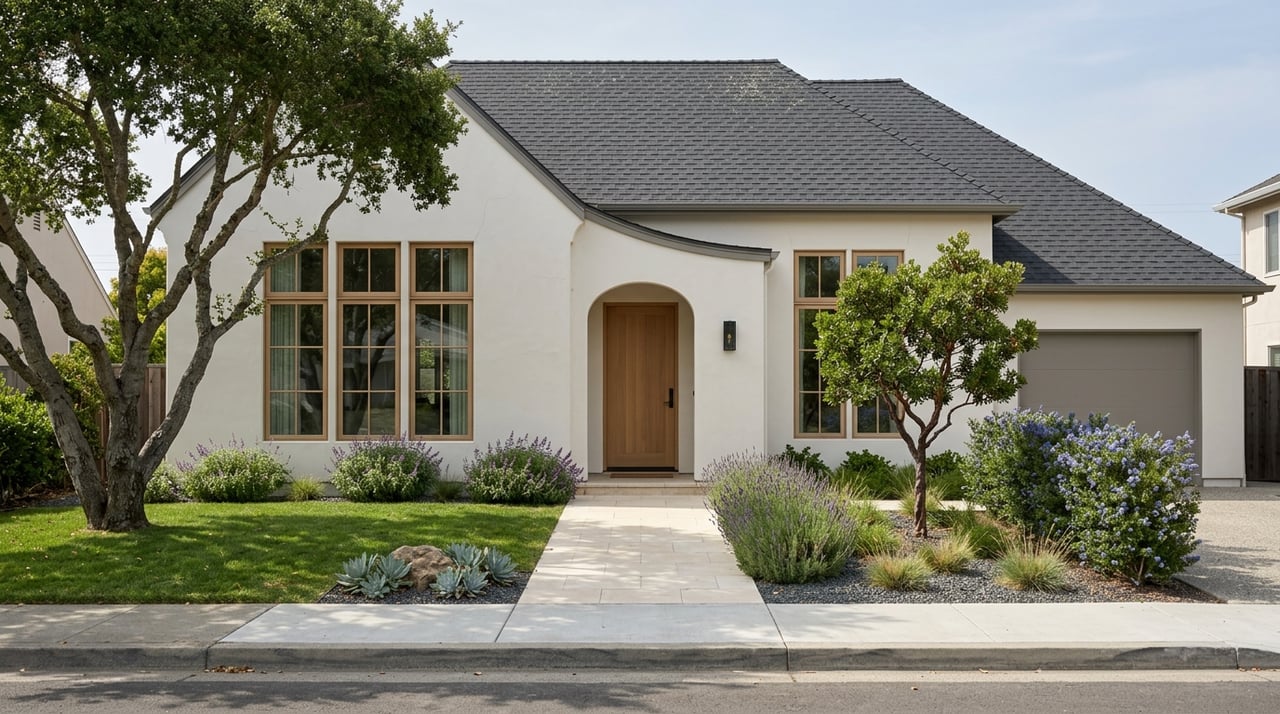
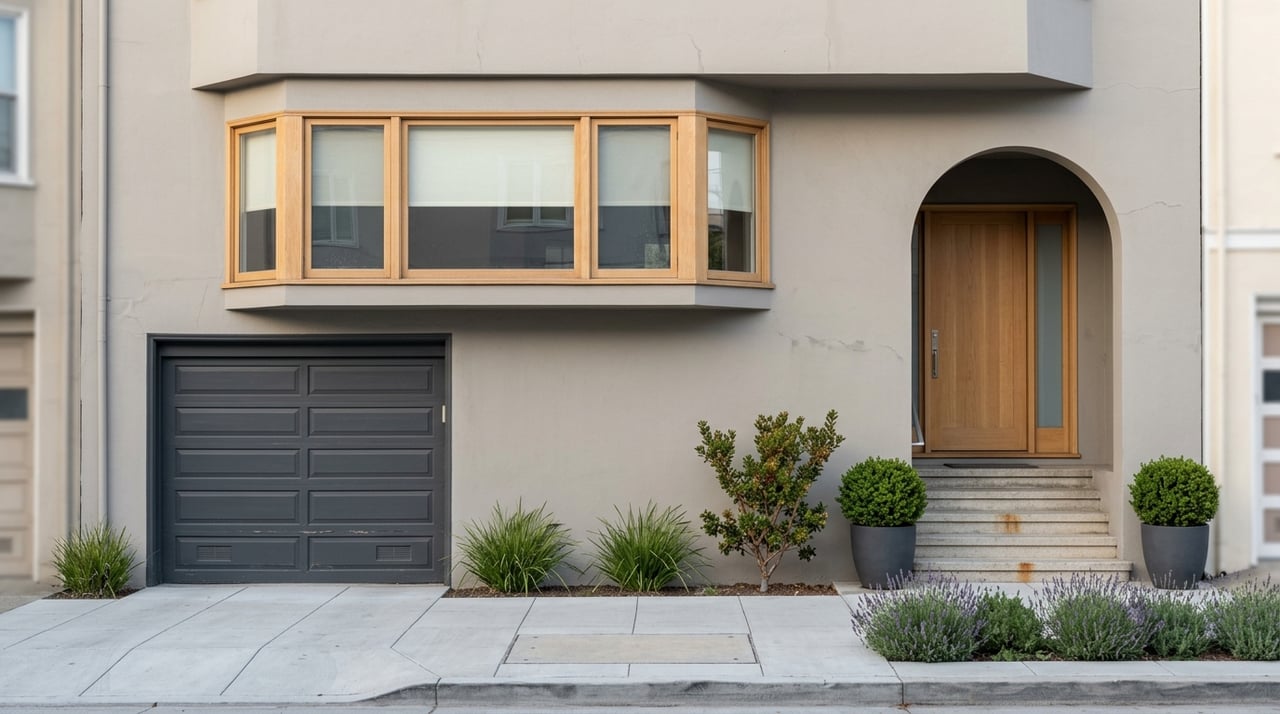
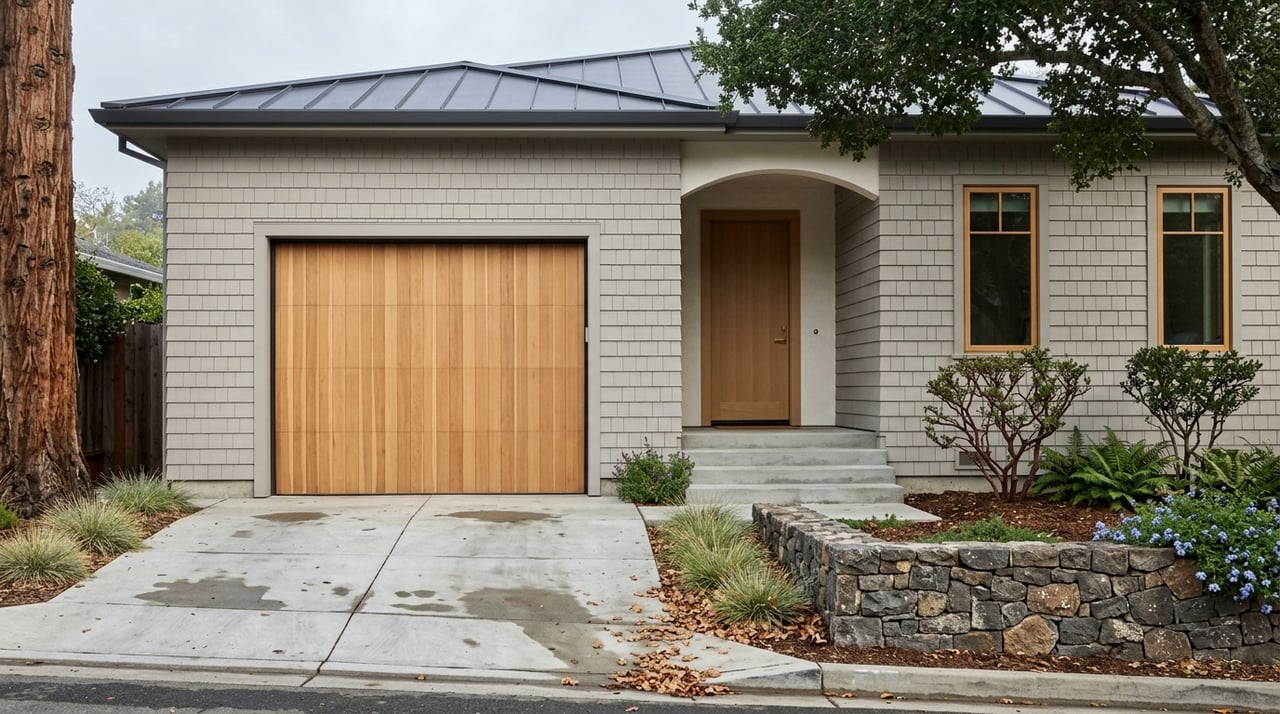
- Improving curb appeal
Those basics matter because they help buyers notice space, light, and condition instead of distractions. A clean, edited, well-maintained home often feels more valuable from the start.
Stage the Rooms That Matter Most
If you are deciding where to spend your prep budget, room priority matters. NAR reported that buyers considered the living room the most important staged space at 37%, followed by the primary bedroom at 34% and the kitchen at 23%.
Among sellers’ agents, the most commonly staged rooms were the living room, primary bedroom, dining room, and kitchen. For many San Rafael homes, that means your highest-return dollars often go to the spaces buyers notice first online and in person.
If your home is a condo or townhome, your prep emphasis may be different from a single-family home. Condition, light, storage, parking, and a clean disclosure package may matter more than landscaping. If your home is older, a pre-list review of systems and condition can help reduce surprises once the listing is active.
Make Photography Part of the Strategy
Photography should never be the last item on your checklist. NAR reports that 81% of buyers rated listing photos as the most useful feature during an online home search.
That matters because the first few days online often carry the most visibility. If your home launches before it is fully ready, you may lose momentum at the exact moment buyers are paying the most attention.
A strong launch package may include:
- Professional listing photos
- Floor plans
- Video
- Virtual tour materials, if appropriate
NAR also reports that buyers’ agents consider photos, physical staging, videos, and virtual tours highly important. The key is to have the full package ready before the listing goes live.
Keep Marketing Honest and Clear
Strong visuals are important, but accuracy matters too. NAR warns that buyers can feel misled when photos make a home look better than it really is or materially change its appearance.
That means editing should improve brightness, clarity, and overall presentation without concealing defects. You want buyers to feel excited when they walk in, not disappointed. Honest marketing helps build trust and can lead to smoother showings and offers.
Use a Realistic Prep Timeline
For a move-in-ready San Rafael home, a practical listing timeline often looks like this:
4 to 8 Weeks Before Listing
- Complete the Residential Resale Report
- Review permits and resolve open issues where possible
- Decide whether inspection-driven repairs are worth doing
- Review wildfire-related responsibilities and documentation if applicable
2 to 3 Weeks Before Listing
- Finish paint touch-ups or cosmetic work
- Tidy landscaping and exterior presentation
- Deep clean the home
- Complete staging or partial staging
1 Week Before Listing
- Finalize photography
- Complete floor plans
- Finish video or other marketing assets
- Confirm the listing is ready for a complete launch
This kind of sequence supports a more polished market debut. It also helps you avoid the rushed, piecemeal approach that can weaken early buyer interest.
Match Prep and Pricing
Preparation and pricing work together. In San Rafael, where both 94901 and 94903 remain competitive but show different pricing patterns, your pricing conversation should reflect your neighborhood, home type, and level of presentation.
An updated, well-prepared home in a stronger micro-market may support a more assertive pricing discussion than a similar home that feels underprepared or visually dated. The goal is not just to list. The goal is to launch in a way that fits how buyers will compare your home to nearby alternatives.
Why a Local Plan Matters
San Rafael is not a one-size-fits-all market. A house on a hillside, a home near the channel, and a condo closer to downtown each call for a different prep strategy.
That is why local, neighborhood-level guidance matters so much. When your preparation reflects real buyer expectations, local disclosure issues, and your home’s exact setting, you put yourself in a stronger position from day one.
If you are thinking about selling in San Rafael, a detail-driven plan can help you avoid guesswork and focus your time and money where it counts most. For thoughtful guidance on presentation, timing, and neighborhood-specific strategy, connect with Aimee Labagh Tenente.
FAQs
What should San Rafael sellers do before listing a home?
- A strong first step is ordering the City of San Rafael Residential Resale Report, then reviewing permits, disclosures, condition issues, and any repairs or cosmetic updates worth completing before launch.
How long does it take to prepare a San Rafael home for the market?
- For many move-in-ready homes, a realistic timeline is about 4 to 8 weeks for due diligence and planning, 2 to 3 weeks for cosmetic prep and staging, and 1 week for photography and final marketing materials.
Do San Rafael homes need wildfire-related sale preparation?
- Some do. The City of San Rafael says vegetation standards apply citywide, and homes in High or Very High Fire Hazard Severity Zones may need AB-38 documentation and, in some cases, a defensible space inspection.
What rooms matter most when staging a San Rafael home?
- Based on NAR data, the living room, primary bedroom, and kitchen are among the highest-priority spaces because buyers tend to focus on them most.
Why does pricing a San Rafael home require neighborhood-level analysis?
- San Rafael has more than 30 neighborhoods and different submarkets, and recent data shows meaningful differences between ZIP codes like 94901 and 94903 in price and pace of sale.
Should sellers fix everything before listing a San Rafael property?
- Not always. Many sellers benefit more from targeted repairs, decluttering, cleaning, staging, and resolving important due diligence items than from taking on every possible upgrade.